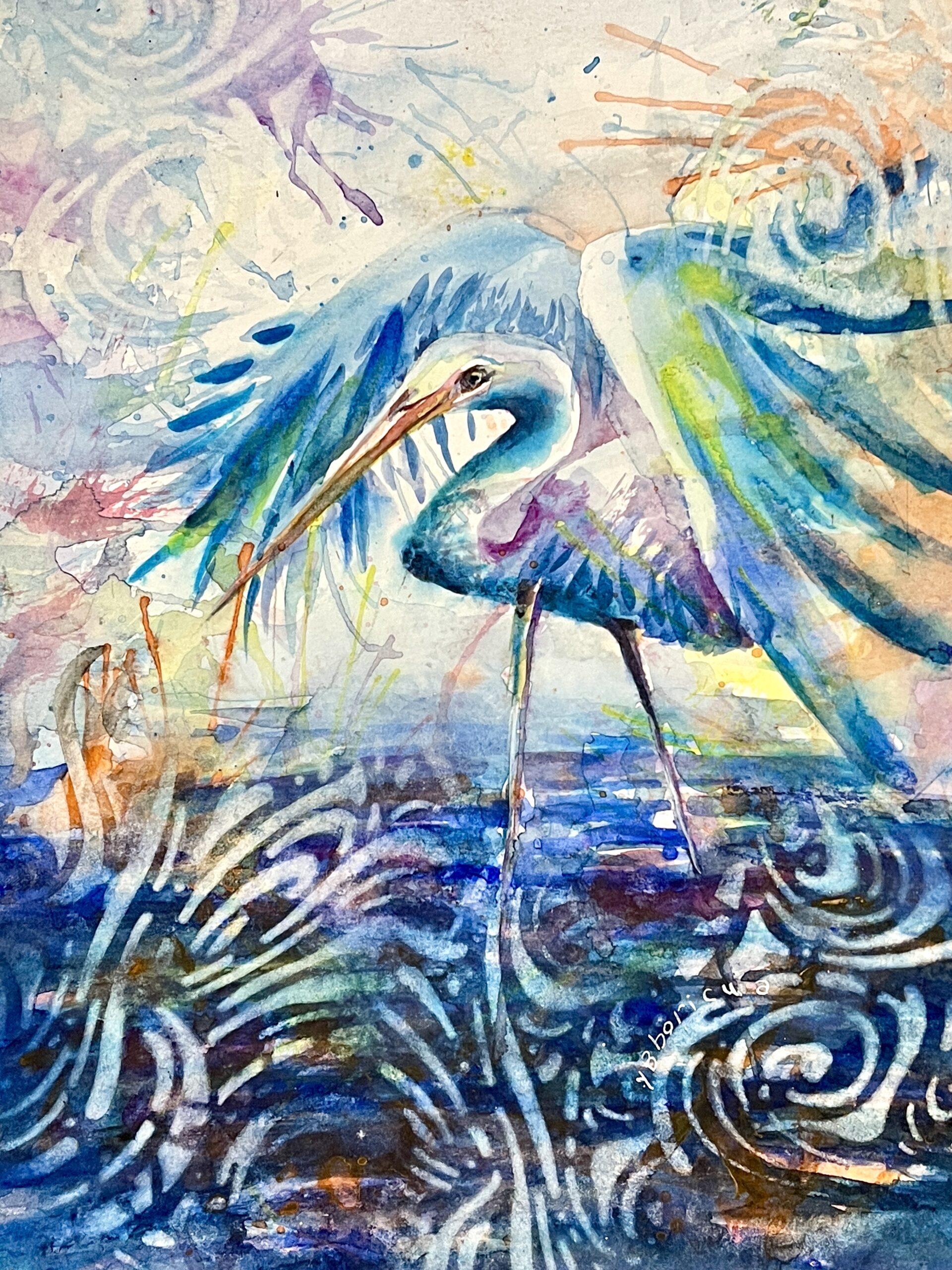
Having a pet can bring a lot of satisfaction and happiness to an owner. Pets can make us laugh, keep us company, and give us someone to care about. But having an animal is not only fun—it also requires commitment, kindness, and care.
You can learn this importance by having wild pets also. One great way is by caring for a bird feeder in your yard or garden. Although wild birds are not really pets, taking care of a feeder can teach you how small daily actions can make a big difference.
Get Engaged
Imagine looking out your window and seeing a bright red cardinal, a tiny chickadee, or a busy blue jay visiting your feeder. Wouldn’t it be exciting to watch?
A bird feeder gives you a chance to become interested in nature. You can keep a notebook and write down:
What kinds of birds do you see?
What colors are they?
How many birds visit?
What time do they usually arrive?
What foods seem to attract them?
The Cornell Lab of Ornithology explains that maintaining a feeder can help observe birds and learn about their behavior.
This is called engagement. When you become interested in something, you are more likely to care about it.
Caring for your pets:
Being responsible means learning before you act. You should not simply put any food into a feeder and forget about it.
Different birds enjoy different types of food. You should also make sure that the food stays fresh and dry. Moldy food can be harmful to birds. The Cornell Lab recommends checking feeders regularly and cleaning them about every two weeks.
Ask an adult to help you choose an appropriate feeder and birdseed for the birds in your area.
Make Caring a Habit
Good habits happen when you repeat helpful actions.
Try creating a simple Bird Feeder Routine:
Every day:
👀 Watch the birds for a few minutes.
Once or twice a week:
🌱 Check that the area around the feeder is clean.
🌻 Make sure the food has not become wet or moldy.
About every two weeks:
🧼 Clean the feeder properly.
Keeping a feeder clean is extremely important because dirty feeders can allow diseases to spread between birds. Audubon recommends regular cleaning and keeping spilled seed and other debris under control.
Remember: Responsibility means doing something even when nobody is reminding you.
Practice Patience
Sometimes you will fill the feeder and see no birds.
Don’t give up!
Birds may need time to discover a new feeder. Instead of becoming frustrated, use the opportunity to practice patience. Sit quietly, observe, and wait.
Patience is an important part of caring for animals because we cannot always control what they do. Good caregivers respect animals and allow them to behave naturally.
Protect the Birds
Caring for birds means thinking about their safety, too.
For example, birds can be injured when they fly into windows. Cornell Lab recommends making windows safer by using screens, films, or other methods that break up reflections.
You should also tell an adult if you notice a sick or injured bird. Do not try to pick up or treat a wild bird yourself.
Being responsible means knowing when you need help.
Turn Responsibility Into a Challenge
Want to become a Bird Care Champion?
Try this challenge for one month:
☐ Check the feeder regularly.
☐ Keep a bird-watching journal.
☐ Learn the names of three local birds.
☐ Clean the feeder safely.
☐ Keep the area around the feeder tidy.
☐ Learn one new fact about birds each week.
☐ Tell someone else why caring for wildlife matters.
At the end of the month, look back at your checklist. You may be surprised by how much you accomplished!
What Does My Bird Feeder Teach Me?
My bird feeder may look like a simple object, but caring for it teaches some very big lessons.
Engagement means paying attention and becoming interested.
Care means thinking about what another living thing needs.
Responsibility means completing tasks regularly, even when they are not always fun.
Commitment means continuing to care over time.
These are the same kinds of qualities that are important when looking after a pet. The RSPCA explains that responsible animal care involves understanding an animal’s needs, preparing for the commitment, and making sure those needs continue to be met.
So the next time you see a bird feeder, don’t just think of it as a place where birds get food. Think of it as a responsibility trainer.
Every time you check the feeder, clean it, observe a bird, or learn something new, you are practicing habits that can help you become a more caring and responsible person.
And who knows? While you are building good habits, you might make some feathered friends along the way!
. . . .
I wonder how the birds you see will look like. https://www.ybboricua.com/product/freedom/ https://www.ybboricua.com/product/i-listen-to-gods-voice/ https://www.ybboricua.com/product/ready-to-fly/ https://www.ybboricua.com/product/seek-and-you-will-find/ https://www.ybboricua.com/product/safe-with-you/ https://www.ybboricua.com/product/close-view/.
You might even want to paint them. https://www.ybboricua.com/product/thankful/. https://www.ybboricua.com/product/god-knows/ https://www.ybboricua.com/product/the-answers-are-within-you/ https://www.ybboricua.com/product/lets-celebrate/.
References
National Audubon Society. Three Easy but Important Ways to Keep Your Bird Feeders Disease-Free.
Cornell Lab of Ornithology. Maintaining Your Classroom Feeder.
Cornell Lab of Ornithology. Seven Simple Actions to Help Birds.
RSPCA. Responsibility and Ethics for Pets.
RSPCA. Policy Book: Responsible Animal Ownership.