There is a unique, living energy that transfers onto a canvas when it is created out in the open world. This approach to fine art—vibrant, immediate, and intimately tied to the elements—is known as plein air painting. It is an art form that demands rapid decision-making, acute observation, and a willingness to collaborate with nature.
The phrase “en plein air” is a French expression translating directly to “in the open air.” While historical masters have sketched outdoors for centuries to gather raw reference material, true plein air painting means executing and completing an entire artwork directly on-site in the outdoor environment.
Instead of relying on a static camera photograph or studio memory, the plein air artist stands face-to-face with the landscape, translating the moving atmosphere, true depth, and shifting ambient light directly onto the canvas in real time. The unique warmth and ambient moisture of coastal environments require immediate observation to paint accurately before the weather shifts.
Some of The Technical Benefits of Plein Air Painting
- Stepping away from artificial studio lighting offers profound growth for a visual artist.
- True Color Perception: Camera sensors automatically flatten shadows and distort color temperatures. Working on-site trains your eyes to see incredible subtleties—like how a bright sky reflects cool blue tones directly into the shadows of a dirt road or a fishing dock.
- Decisive Brushstrokes: Because outdoor conditions change rapidly, you cannot afford to overanalyze or over-work a canvas. It forces an intuitive, bold application of paint.
- Emotional Immediacy: The ambient sounds, moving wind, and temperature find their way into the physical energy of the artwork, creating a more honest, living piece of art.
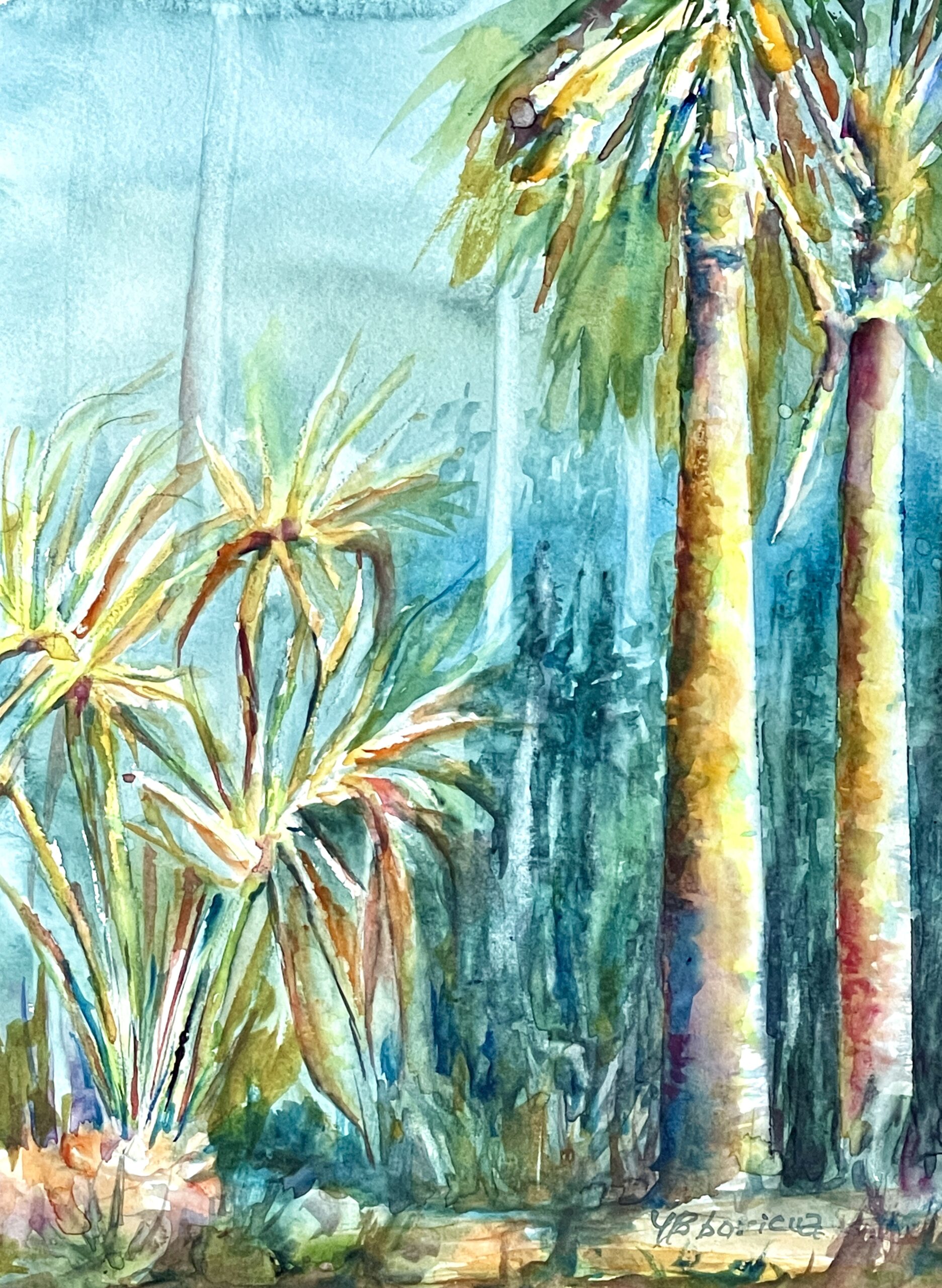
YB Boricua Art, LLC (Yolanda Barreto) is a Plein Air artist who Plein Air paints with the Shadow Chasers Plein Air Artists on a weekly base. Examples of her work are on YB Boricua Art. The sharp handling of open-air light and authentic environmental perspective is vividly captured across these original landscape paintings from YB Boricua Fine Art: Capturing the Coastal Atmosphere.(The titles are link to the paintings on the website).
At Mary’s Fish Camp Painting – Capturing the rustic, authentic spirit of a waterfront escape.
At Bayport Painting – An exploration of open water tones and coastal light.
Strolling at Bayport Park Painting – Capturing the relaxed, living movement of a figures within a sunny outdoor environment.
At the Beach Bar Painting – Highlighting how ambient sunlight interacts with casual, real-world coastal structures.
Harnessing Light and Nature
When an artist works on-site, the landscape becomes a personal narrative of a specific, unrepeatable moment.
Rejoice Always Painting – Capture of natural sunlight raking across an outdoor harvest landscape.. Fuente: YB Boricua Art
God is my provider Painting My provider is God painting – Beautifully illustrates how direct sunlight catches a rich, organic harvest field and farm greenhouse, preserving a vibrant, true-to-life palette.
Chilling Painting – A study in capturing a relaxed, transient pocket of daytime rest.
God’s voice is in nature Painting – A deeply personal interpretation of the overwhelming light and scale found only in the deep outdoors.
I am in victory Painting – Translating triumphant emotional energy through bold, outdoor-inspired color choices.
Memories Painting – A reflective, atmospheric composition using natural light layers to evoke a powerful sense of nostalgia.
Academic References & Historical Documentation
- Carlson, J. F. (1929). Carlson’s Guide to Landscape Painting. Dover Publications. (The premier field manual outlining how solar angles, weather conditions, and canopy light affect outdoor value choices).
- Albala, M. (2009). Landscape Painting: Essential Concepts and Techniques for Plein Air and Studio Practice. Watson-Guptill. (Breaks down the physiological differences between how a digital camera lens and the human eye perceive outdoor color values).
- Bomford, D., Kirby, J., Leighton, J., & Roy, A. (1990). Art in the Making: Impressionism. National Gallery London. (Technical analysis of pigment chemistry and structural shifts that allowed 19th-century artists to permanently abandon the studio).
- Gurney, J. (2010). Color and Light: A Guide for the Realist Painter. Andrews McMeel Publishing. (Addresses the specific hazards of canvas glare, subsurface scattering in nature, and dynamic sky variations).
- Brettell, R. R. (1984). A Day in the Country: Impressionism and the French Landscape. Los Angeles County Museum of Art. (Historical tracking of the geographic relocation of artists from Paris studios directly to open-air riverbanks and coastlines).